
Kopi luwak is the most counterfeited coffee on earth. That is not a marketing angle for us — it is the central fact of the category, and any seller who does not tell you about it up front is relying on you not knowing.
Here is the arithmetic that should bother you. Authenticated wild kopi luwak is estimated at a few hundred kilograms a year worldwide. Now count how many shops sell it. The two numbers do not reconcile, and the gap is filled by caged animals and plain mislabelling.
What “wild-sourced” usually means
Reporting by the BBC and campaigning by PETA have found that a large share of coffee sold as wild-sourced comes from caged civets — animals kept in small cages and fed coffee cherries to produce on demand. The label says wild. The supply chain is a shed.
This matters even if you only care about the cup. A wild civet chooses the ripest cherries; that selection is the entire mechanism behind the flavour. A caged animal eats what it is given. Caging does not just raise an ethical problem — it removes the thing that supposedly makes the coffee worth the money.
The price tells you more than the label
At origin, authenticated wild kopi luwak wholesales in the region of $800–1,200 per kilogram. Farmed and caged product trades at roughly $150–400 per kilogram. That is a four-to-eightfold gap and it does not close quietly.
So when a shop advertises “wild-sourced” kopi luwak at a modest price, the label and the price are telling you two different stories. Believe the price.
The four questions
Ask any seller these before you spend a hundred dollars on coffee. The hesitation is as informative as the answer.
1. Wild-collected or farmed? A straight question deserves a straight word. “Ethically sourced” is not an answer — it is a phrase with no definition behind it.
2. Can you show me the farm? Not a stock photograph of a civet on a branch. The actual place, the actual people.
3. What documentation do you hold? Certification of wild collection exists. If a seller has it, they will produce it instantly. If they change the subject, you have your answer.
4. What did you pay for it? Few will tell you. The ones who will are worth buying from.
What we do, and what we will not claim
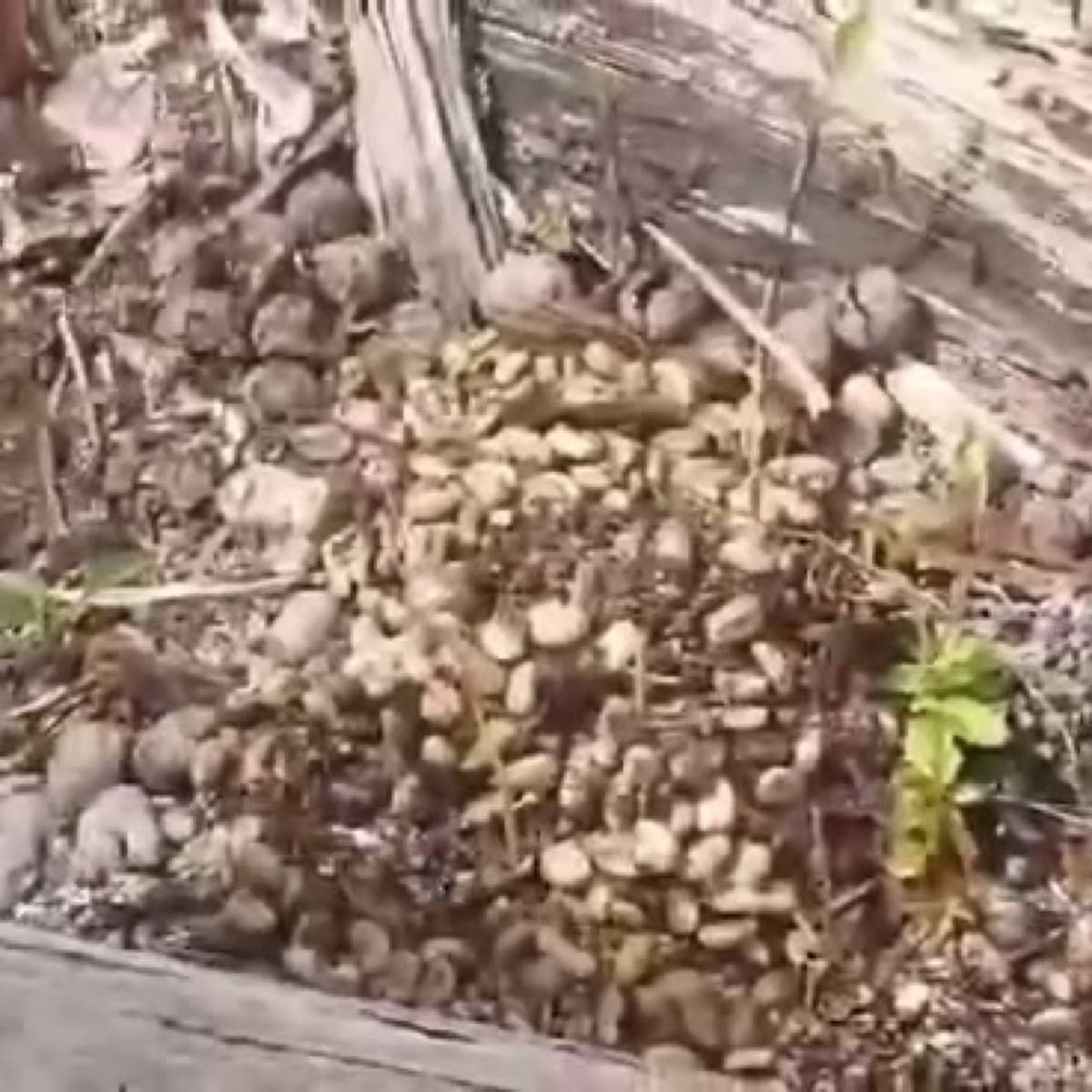
We buy from a hillside plantation in Indonesia, and we have footage of it — the dirt track in, the collection by hand off open ground and fallen logs, and the crew who do the work, filmed with their permission. You can watch it on the product page.
What we will not do is print the word “wild” on a bag we cannot document. We have asked our supplier that question in writing. If certification comes back, we will say so plainly and price it accordingly. Until then we sell it as honest civet coffee from a farm we can show you — which, in this category, is already more than most.
It costs us money to say that. A seller willing to type one unverified word could charge several times what we do. We would rather keep the sentence we can defend.
The short version
Most kopi luwak is a story. Ask for the video, ask for the paperwork, and look hard at the price. A seller who cannot answer four plain questions about where a product came from is not selling you coffee. They are selling you the idea of it.
These statements have not been evaluated by the Food and Drug Administration. These products are not intended to diagnose, treat, cure or prevent any disease. These products are not meant to be sold to or used by persons under the age of 21. Please confirm the legality of any product in your state or locality before ordering.